The bazaar
Where the city shops, argues and meets. Every lane has its trade, and every trade its regulars.
Discover the Cultural Capital of Kurdistan. Framed by majestic mountains, steeped in poetry, and defined by modern warmth.
Founded 1784, UNESCO City of Literature
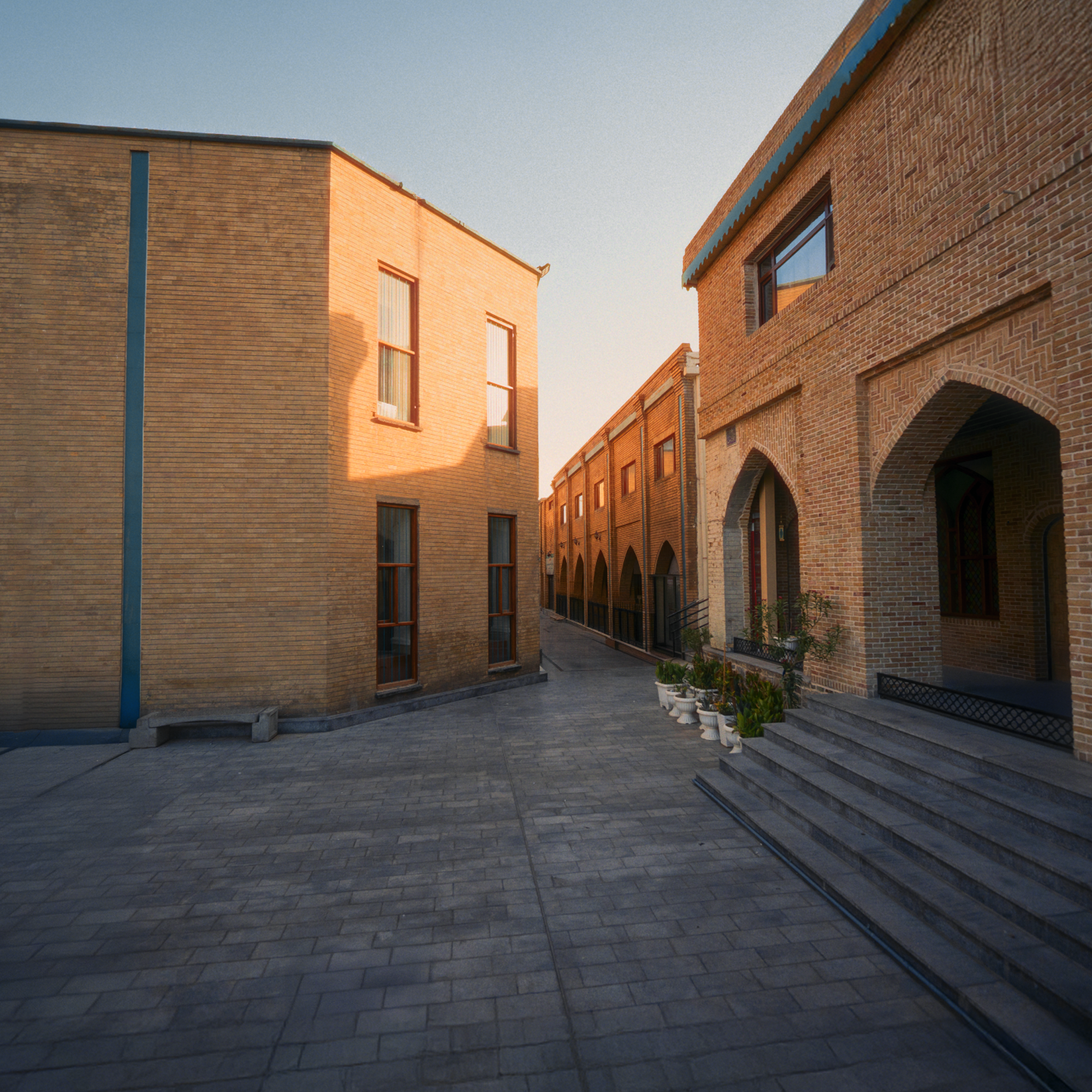
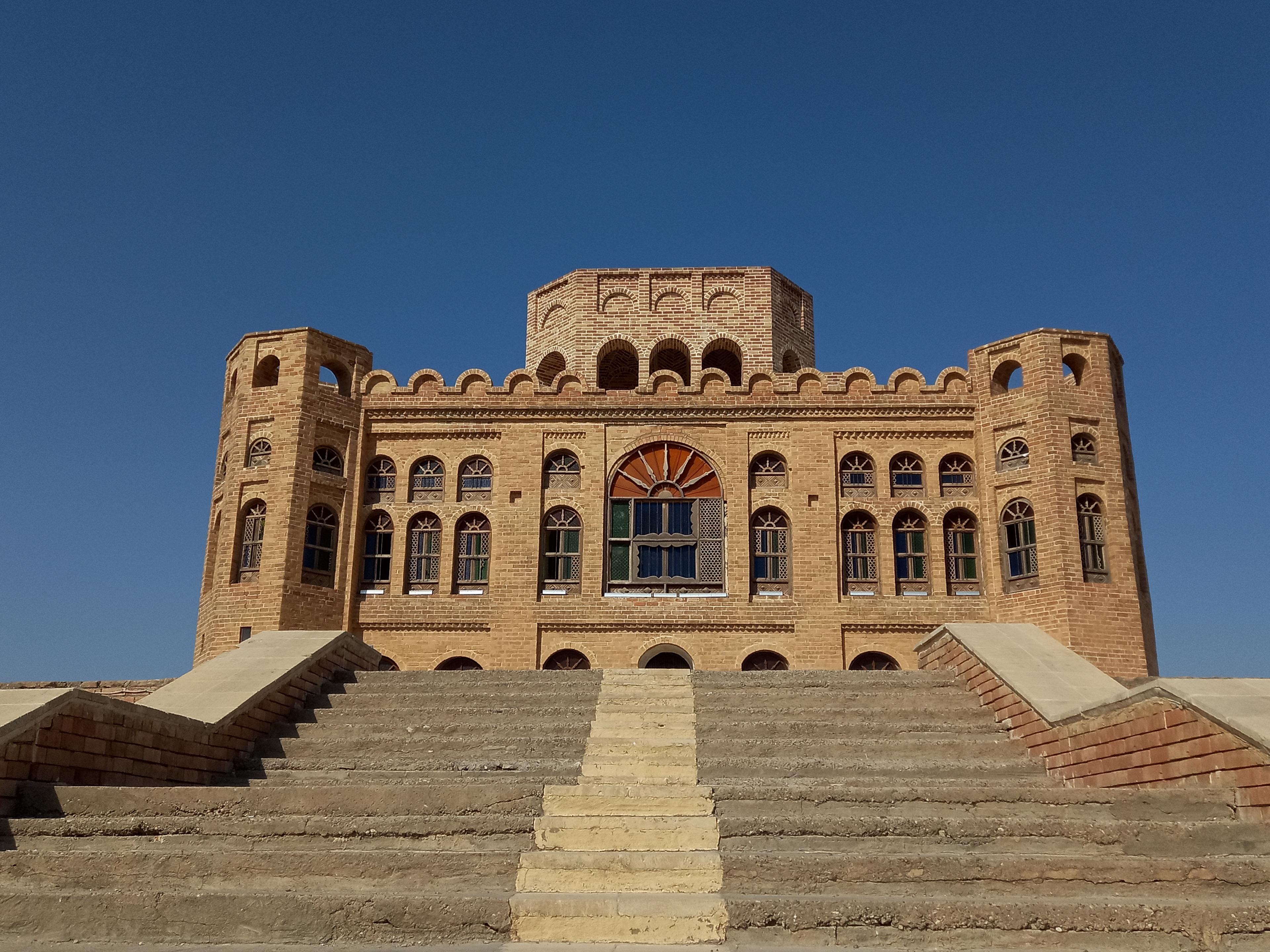
Slemani is more than a location on the map of the Kurdistan Region, it is a temperament. For two centuries it has served as the literary conscience of a people, a city where poetry is printed into the pavement and where the mountains at its back are spoken of as ancestors rather than scenery.
Set between the Azmar, Goizha and Qaiwan ranges
Read Our Full Story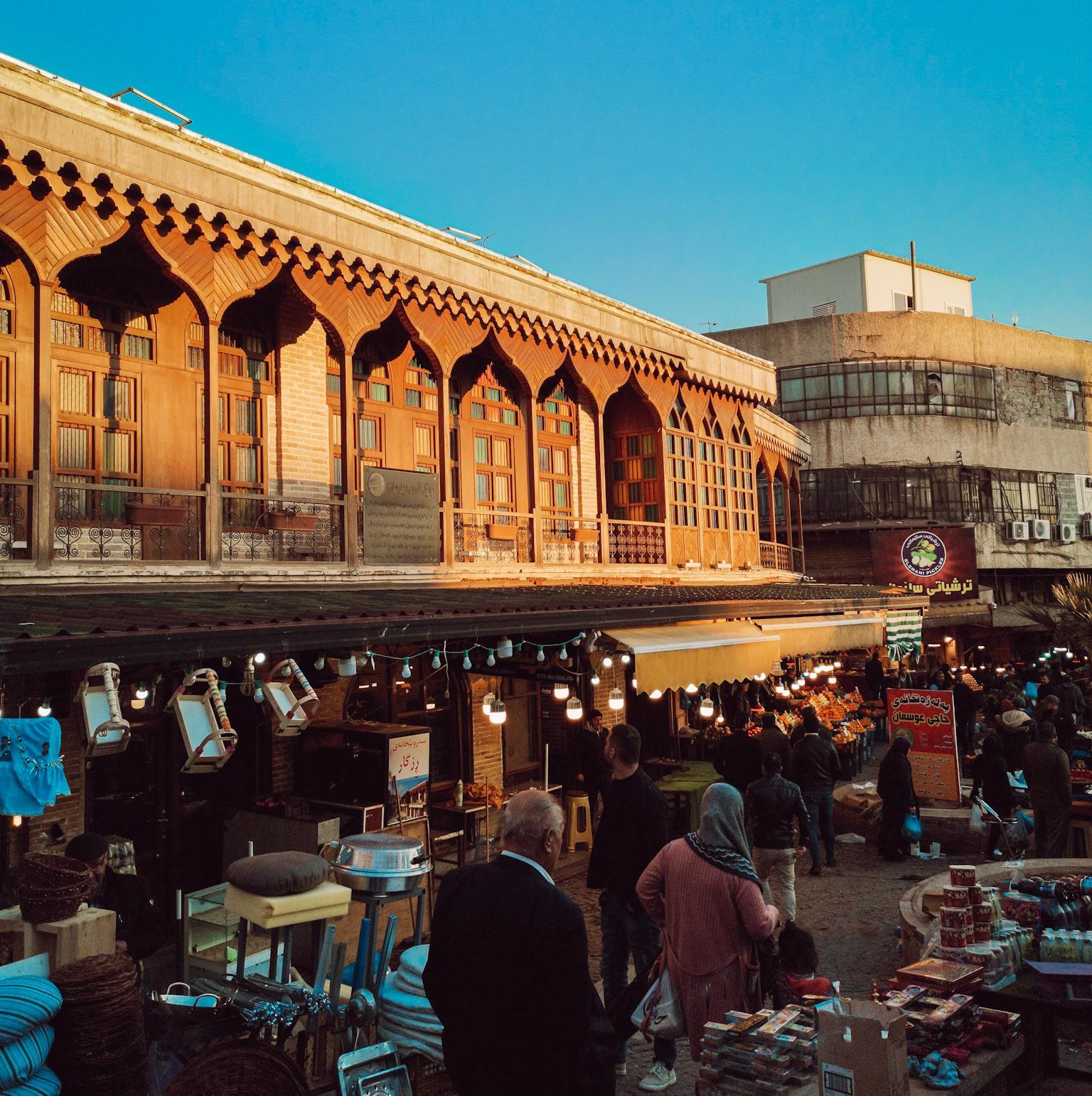
From the archive
Selected entries from the city's chronicle, beginning with its founding in 1784.
Explore Full TimelineLoading history...
Beyond its monuments, Slemani is a city of habits: what people wear to a wedding, how a guest is received, the glass of tea that begins every conversation.
Where the city shops, argues and meets. Every lane has its trade, and every trade its regulars.
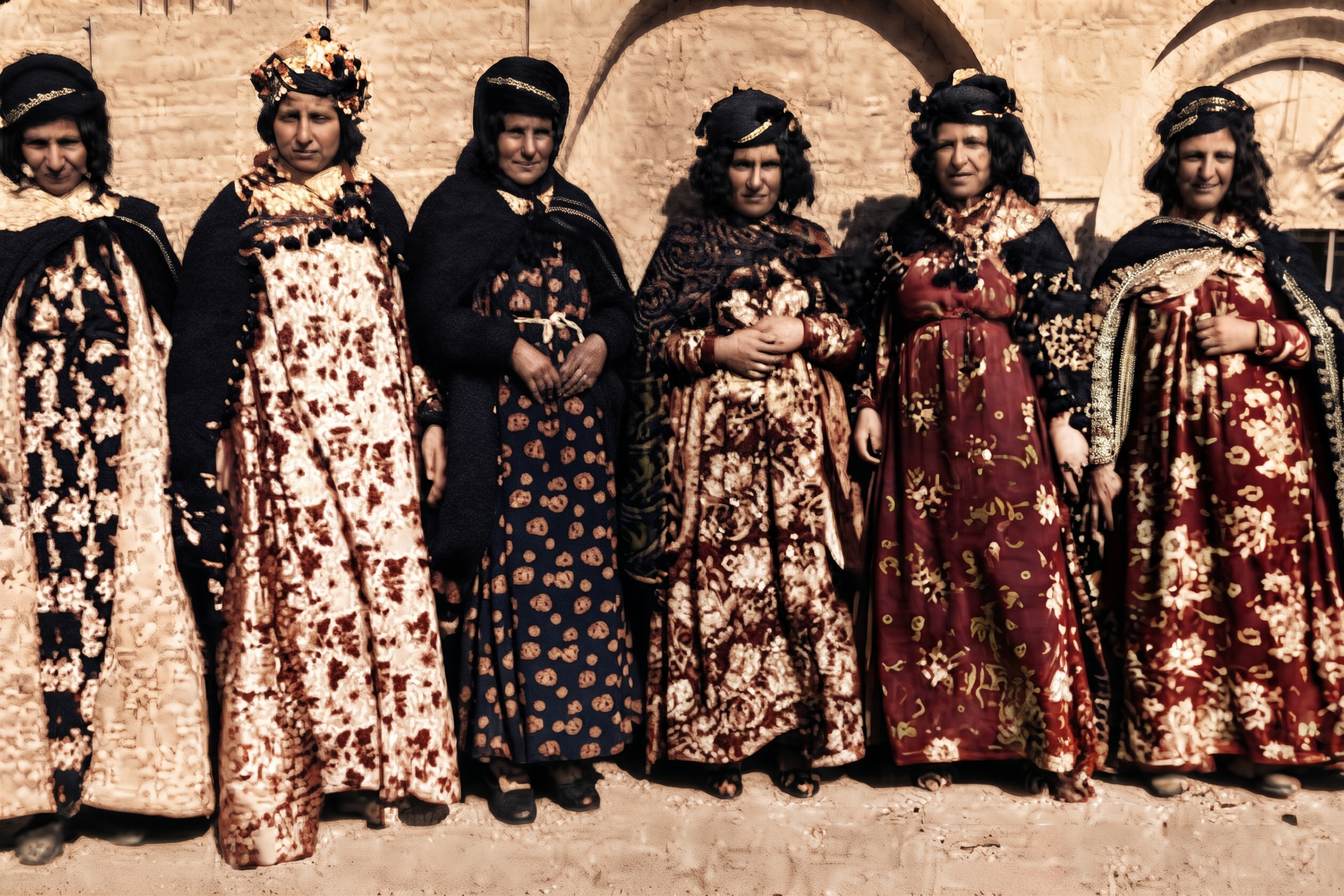
Wide trousers, a jacket and sash, a wrapped headcloth. Kurdish dress is the plainest way of saying where you come from, and it comes out for weddings, Newroz and festivals.
Strong, sweet and poured in small glasses, in homes, shops and the teahouses where talk has long turned to poetry.
Sulaymaniyah has long been a city of Sufi lodges and quiet mosques. On Mewlud, the Prophet's birthday, voices gather to recite verses of praise and remembrance.
Sulaymaniyah does not just host culture; it generates it. Its intellectual heritage is embedded in its streets, universities, and bustling public squares — the reason it holds the undisputed title of the region's cultural capital, and a proud place in UNESCO's Creative Cities Network, officially recognized for its unparalleled contributions to literature.
It is the historic nurturing ground for legendary Kurdish poets and intellectuals — figures like Nali, Mawlawi, Piramerd, and Sherko Bekas — whose works laid the foundation for modern Sorani literature.
“Slemani surprised me with its warmth and intellectual energy, cafes full of poets, not just tourists.”
“The light over Mount Goizha at sunset is unlike anywhere else I have shot.”
“Every street in Slemani carries a story. Amna Suraka alone is worth the trip.”
“The Slemani bazaar taught me more about Kurdish cuisine than any cookbook ever could.”
“Friendliest city I have visited in the region, strangers invited me for tea within minutes.”
“Showing visitors the museums and parks of Slemani never gets old, there is always a new detail.”
“The mix of old stone houses and new design in Slemani is a case study in itself.”
“Slemani has one of the most open and vibrant press and arts scenes I have covered.”
“Our students come from all over the region for the culture here, it speaks for itself.”
“I came for one week to film the mountains and stayed a month for the people.”
“The live music nights in Slemani rival any city I have toured, the audiences truly listen.”
“From qaymakh to kebab, Slemani’s food scene deserves far more attention than it gets.”